If the original The Devil Wears Prada was a masterclass in how fashion dictates culture, its long-awaited sequel feels more like a case study in how culture now dictates fashion—and, more pointedly, how entertainment marketing has learned to weaponize both.
Watching The Devil Wears Prada 2 through the lens of someone who has lived on both sides—fashion and entertainment marketing—is a uniquely disorienting experience. You don’t just see the clothes; you see the contracts. You don’t just clock the styling; you clock the strategy.
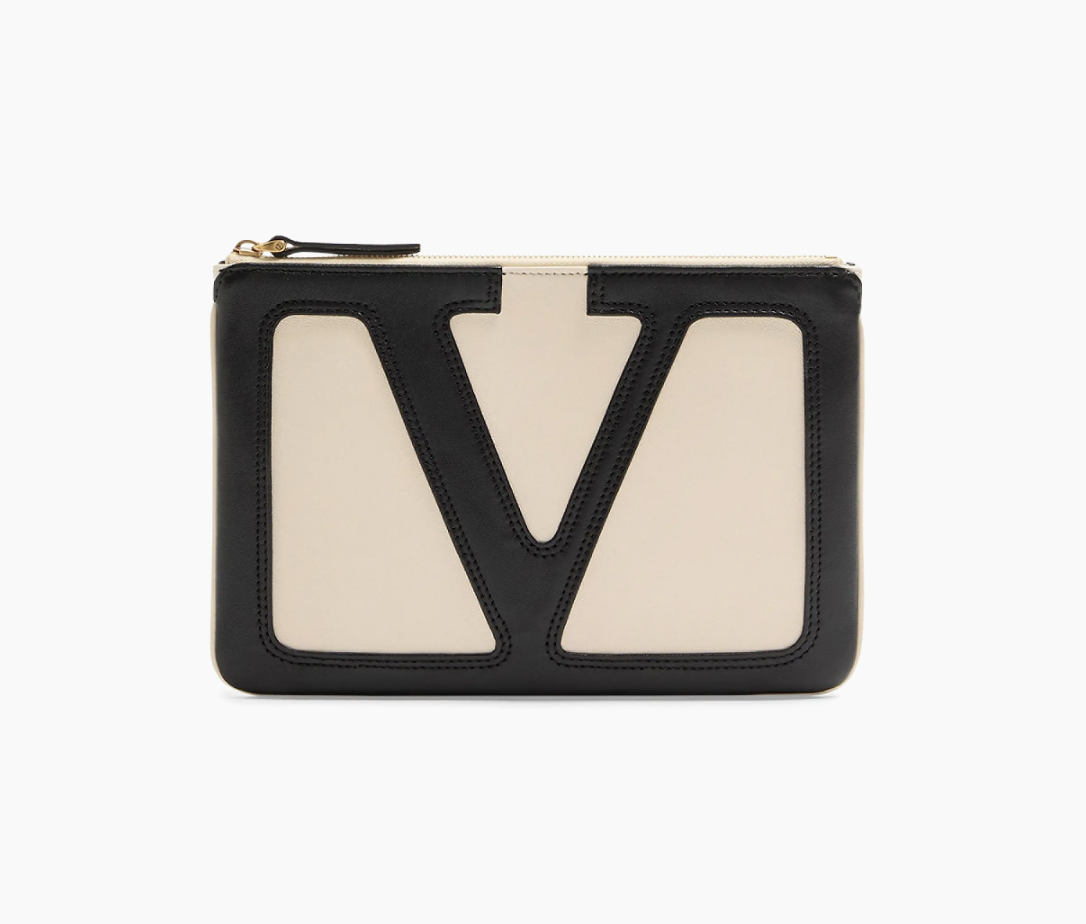
Let’s start with the obvious: the clothes are still part of the centerpiece. The film leans heavily into legacy luxury—Chanel, Dior, Valentino—almost as a visual reassurance that the authority of fashion hasn’t completely dissolved in the TikTok era. But unlike the first film, where brands served as silent indicators of taste and hierarchy, here they feel… louder. More intentional. Less whispered, more declared.

That’s not an accident.
In the mid-2000s, fashion in film was aspirational window dressing. Now, it’s a fully integrated marketing channel. Every handbag isn’t just a handbag—it’s a negotiated placement, a cross-platform campaign, a data point. You can almost sense the alignment meetings behind certain scenes: This character wears X brand in Act 2 because we’re launching a Gen Z capsule next quarter.
Miranda Priestly, still the axis around which everything spins, is styled with surgical precision. Her wardrobe subtly incorporates newer, quieter luxury labels—The Row, Loro Piana—signaling a shift from overt power dressing to something more insidious: power that doesn’t need to announce itself. That evolution feels authentic. It mirrors what actually happened in fashion over the past decade.
Andy, on the other hand, is where the film does its most interesting brand work. Her look is no longer about transformation through high fashion—it’s about curation. There’s a noticeable mix of heritage brands and emerging designers, the kind of wardrobe that screams I have a stylist, but I also have a point of view. From a marketing perspective, this is gold. It positions her as a bridge between legacy luxury and the new guard, which is exactly where most brands want to sit right now.
And then there’s Emily.
If the first film made her the patron saint of fashion suffering, the sequel turns her into something far more relevant: a brand in herself. Her wardrobe is sharper, more directional, and notably includes edgier labels—Balenciaga, Rick Owens, maybe even some niche London designers. It’s less about fitting into the system and more about bending it. From an entertainment marketing standpoint, this is strategic character branding at its finest. Emily isn’t just wearing fashion; she is a fashion narrative.
What’s fascinating, though, is how transparent it all feels now. Not in a bad way—just different. Audiences today are far more literate in brand language. They know when they’re being sold to. The film doesn’t try to hide it; it leans in. There’s a kind of meta-awareness in how products are framed, almost as if the movie is winking at the viewer: Yes, this is a placement. But it’s also the story.
And that’s the real shift.
Fashion in The Devil Wears Prada 2 isn’t just about aspiration anymore—it’s about participation. It reflects a world where consumers are also curators, where influence is decentralized, and where the line between editorial and advertisement has all but disappeared.
From where I sit now, in entertainment marketing, the film feels less like fiction and more like a polished version of the decks we build every day. Brand integration isn’t the side conversation—it is the conversation. The difference is, here it’s dressed in couture and delivered with a cutting one-liner.
The devil, as it turns out, didn’t change. The business around her did.